
PIQSY Compare
Xiaomi Pad 7 vs Lenovo Idea Tab Pro Gen 2
Compare Xiaomi Pad 7 and Lenovo Idea Tab Pro Gen 2 on portability, 13-inch matte workspace, performance, pen inclusion, microSD and wired connectivity.
The choice that matters
Choose Xiaomi for portable entertainment and work.
Choose Lenovo for a larger, writing-friendly screen.
Decision snapshot
Start with how you’ll use it.
Xiaomi
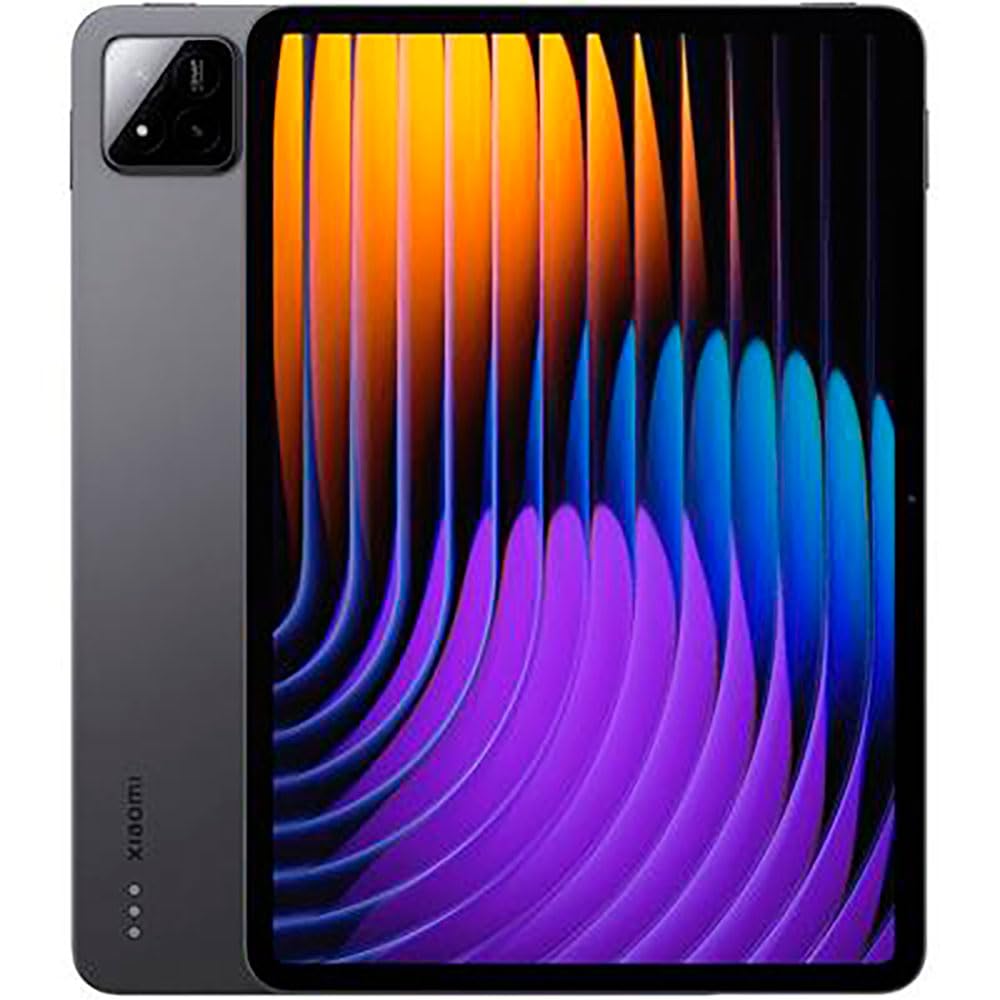
Xiaomi Pad 7
Best fit: Portable high-refresh Android performance
Biggest reason: 11.2-inch 3200x2136 144Hz display
Main compromise: Focus Pen and Focus Keyboard are separate purchases
Lenovo
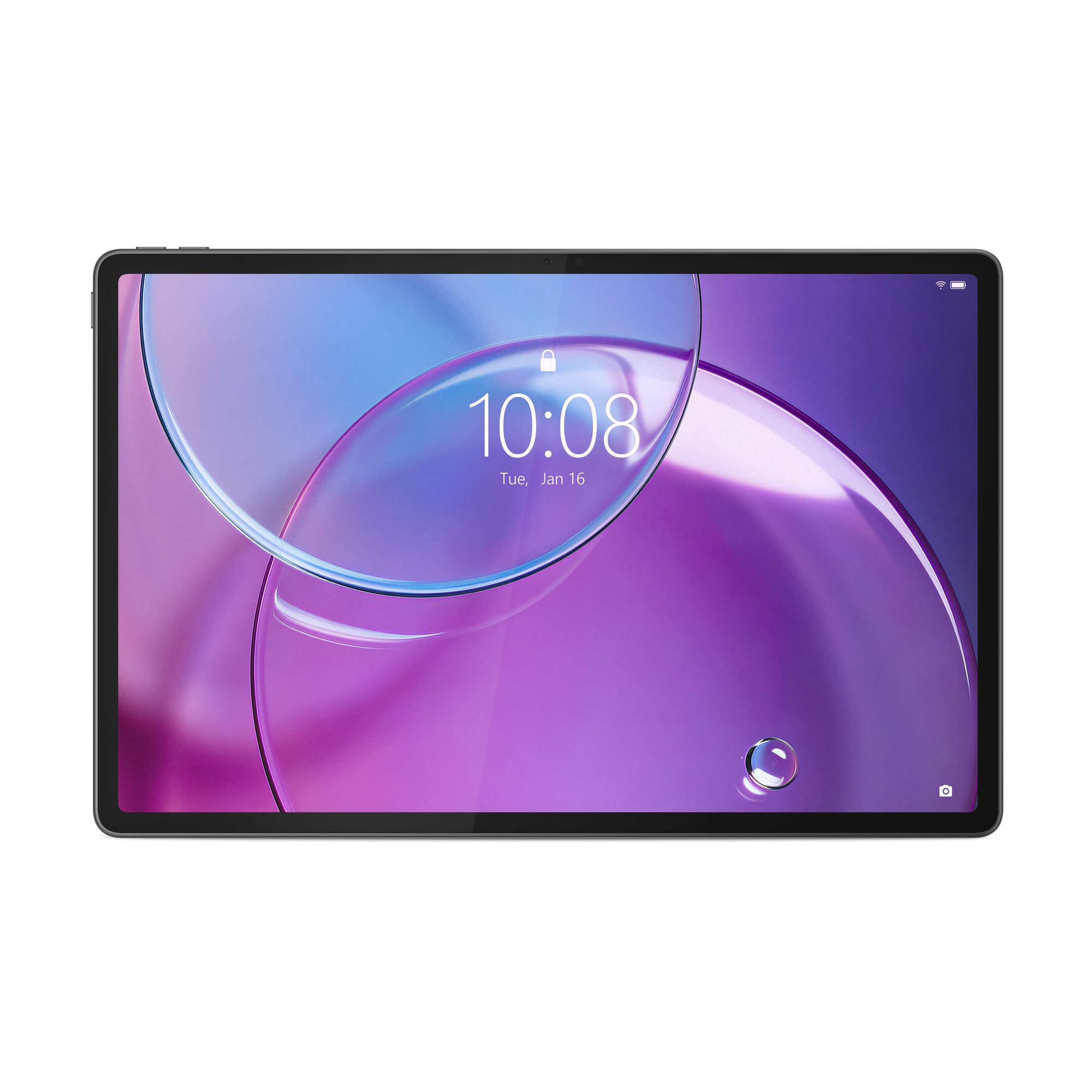
Lenovo Idea Tab Pro Gen 2
Best fit: Large matte pen-led productivity
Biggest reason: 13-inch 3.5K 144Hz matte/paper-like display
Main compromise: 598g size/weight is less handheld-friendly than 11-inch tablets
Last checked price
$749 AUD
About 25% below recent prices
Lowest recorded $698.98 · 6 Sept
Key differences
The key differences at a glance.
These confirmed specifications differ. The advice below explains which ones matter for your needs.
8850mAh battery
10200mAh battery
251.22 x 173.42 x 6.18mm
296.48 x 191.91 x 6.20mm
24 months on current authorised AU Mobileciti listing for AU stock
1 year on exact Scorptec AU listing
11.2-inch 3.2K 3200x2136 IPS-class LCD, 3:2, up to 144Hz adaptive refresh, 345ppi, 800-nit peak brightness, DCI-P3, Dolby Vision
13-inch 3.5K 3504x2190 LTPS IPS, 144Hz, 600 nits typical / 800 nits peak, 99% DCI-P3; exact ZAHD0096AU AU retail package identified as Matte Edition / paper-like anti-glare
Qualcomm Snapdragon 7+ Gen 3, 4nm, octa-core up to 2.8GHz
Qualcomm Snapdragon 8s Gen 4 (SM8735P), octa-core up to 3.2GHz, Adreno 825
8GB LPDDR5X on exact reference
12GB LPDDR5X soldered on exact reference


What matters when choosing
What you'll actually notice
These two Android tablets are aimed at different versions of performance use. Xiaomi Pad 7 keeps the experience portable: an 11.2-inch 3200×2136 display, 500g weight, Snapdragon 7+ Gen 3, 8GB RAM and 256GB UFS 4.0. Lenovo Idea Tab Pro Gen 2 moves to a 13-inch 3504×2190 matte display, about 598g, Snapdragon 8s Gen 4, 12GB RAM and 256GB UFS 4.0, with the exact Australian package including Lenovo Tab Pen Plus.
So the Lenovo is not simply the "higher" tablet. It gives you more workspace, more reference memory, a paper-like display treatment, expandable storage and a bundled pen, but it is also physically larger and heavier. Xiaomi is easier to carry and hold while still offering a sharp high-refresh performance experience.
The durable decision is whether workspace and bundle completeness solve more problems for you than portability.
What changes the choice
Will 13 inches improve the work?
Xiaomi uses an 11.2-inch display and weighs 500g. Lenovo uses a 13-inch display and weighs around 598g.
What this means: Lenovo gives PDFs, side-by-side documents, handwriting and split-screen apps more physical room. Xiaomi is easier to commute with, hold on the sofa and use away from a desk. The roughly 98g difference is not enormous, but the larger footprint is noticeable.
Switch when: choose Lenovo when large documents or split-screen work are recurring. Choose Xiaomi when the tablet must remain easy to carry and 11.2 inches is already enough.
Does the matte surface matter?
Both products support refresh rates up to 144Hz. Xiaomi's 3:2 display reaches 800 nits peak. Lenovo's exact ZAHD0096AU package uses its Matte Edition / paper-like surface.
What this means: Lenovo has a more explicit anti-reflection, paper-like proposition for reading and pen work. Xiaomi gives you a sharp, high-refresh portable screen without making that surface treatment the point.
Neither is OLED.
Switch when: favour Lenovo if reflection-sensitive reading or frequent handwriting makes the matte treatment useful. Choose neither if OLED is a hard requirement.
Is the extra processor and memory headroom useful?
Xiaomi uses Snapdragon 7+ Gen 3 with 8GB LPDDR5X and 256GB UFS 4.0. Lenovo uses Snapdragon 8s Gen 4 with 12GB LPDDR5X and 256GB UFS 4.0.
What this means: Lenovo has the stronger multitasking headroom. Xiaomi still sits well above basic-tablet territory and can be the more coherent choice when you do not need 12GB RAM badly enough to carry the larger device.
Switch when: choose Lenovo for heavier multitasking and a larger productivity workspace. Stay with Xiaomi when portability matters more than the extra memory ceiling.
Is a pen-in-box part of the decision?
Xiaomi supports Focus Pen, but the pen is sold separately. Lenovo's exact AU package includes Lenovo Tab Pen Plus.
What this means: Lenovo removes one accessory purchase for note-taking and annotation. That is a real package advantage, not merely compatibility.
Switch when: choose Lenovo if you know you will use the pen from day one. Do not let an included pen override the entire decision if stylus use is occasional.
Do you need removable storage?
Lenovo supports microSD up to 2TB. Xiaomi's AU Pad 7 evidence does not list expandable storage.
What this means: Lenovo directly satisfies a removable-storage requirement that Xiaomi does not. Both exact references already have 256GB internal UFS 4.0 storage.
Switch when: choose Lenovo when microSD is a hard requirement. If 256GB fixed storage is enough, decide on workspace and portability instead.
Do ports or wireless connectivity separate them?
Both support USB 5Gbps-class wired connectivity. Lenovo explicitly documents DisplayPort-out in its current PSREF; Xiaomi's USB 3.2 Gen 1 faster-transfer mode requires a compatible cable.
Xiaomi supports Wi-Fi 6E and Bluetooth 5.4. Lenovo supports Wi-Fi 7 and Bluetooth 6.0. Neither version reviewed here provides native cellular/WWAN.
What this means: both are credible for wired file transfer, while Lenovo has the clearer external-display evidence path. The newer wireless specification is useful context but should not override more important fit differences.
Switch when: choose Lenovo when explicit DisplayPort-out matters. Choose neither if cellular is mandatory.
Does the bigger Lenovo battery settle it?
Xiaomi uses 8850mAh and supports 45W charging. Lenovo uses 10200mAh, and Lenovo quotes up to 12.5 hours of YouTube/Chrome use under its own test conditions.
What this means: Lenovo has more stated capacity, but it also powers a larger display. Manufacturer runtime figures are not a controlled cross-brand battery test.
Switch when: do not switch based on capacity alone; treat battery as supporting context after form factor and workflow.
The practical choice
Choose Xiaomi Pad 7 when you want high-refresh Android performance in a device that still feels like a portable tablet. Its 500g body and 11.2-inch display make more sense for commuting, handheld use and mixed home/travel use.
Choose Lenovo Idea Tab Pro Gen 2 when your tablet behaves more like a large study or productivity surface. The 13-inch matte screen, 12GB RAM, included Pen Plus, microSD and explicit DisplayPort-out form a more complete desk-and-annotation package.
Neither route is universally better. The Lenovo earns its extra size when you use what comes with it.
When to choose Xiaomi Pad 7
- An 11.2-inch, 500g tablet is easier for your carry pattern.
- 8GB/256GB and Snapdragon 7+ Gen 3 meet the workload.
- High refresh matters more than a matte/paper-like surface.
- Pen and keyboard can remain optional.
- microSD is not required.
When to choose Lenovo Idea Tab Pro Gen 2
- A 13-inch workspace materially improves PDFs, split-screen or creative work.
- The matte/paper-like display treatment is valuable.
- 12GB RAM and Snapdragon 8s Gen 4 provide useful extra headroom.
- Included Pen Plus matters.
- microSD or explicit DisplayPort-out is a requirement.
Choose neither when
Choose neither if OLED or native cellular is mandatory. If your workflow depends on iPadOS or Windows desktop software, settle the platform requirement before comparing these Android tablets.
PIQSY conclusion
Choose Xiaomi Pad 7 for the more portable high-refresh performance package. Choose Lenovo Idea Tab Pro Gen 2 when the larger matte workspace, included Pen Plus and expandable storage materially improve study or productivity.
The decision is not bigger-versus-smaller for its own sake; it is whether workspace and bundle completeness repay the physical size.
Final choice
Choose the one that fits your needs.
Xiaomi
Xiaomi Pad 7
Choose when: Portable high-refresh Android performance
Lenovo
Lenovo Idea Tab Pro Gen 2
Choose when: Large matte pen-led productivity
Last checked price
$749 AUD
About 25% below recent prices
Lowest recorded $698.98 · 6 Sept
Specifications
Compare the full specifications.
Specifications
Compare the full specifications.
8850mAh battery
10200mAh battery
251.22 x 173.42 x 6.18mm
296.48 x 191.91 x 6.20mm
24 months on current authorised AU Mobileciti listing for AU stock
1 year on exact Scorptec AU listing
ANDROID
ANDROID
8GB/256GB Wi-Fi Grey
ZAHD0096AU, 13-inch 3.5K matte/paper-like, 12GB/256GB Wi-Fi, Luna Grey, exact AU package with Lenovo Tab Pen Plus
11.2-inch 3.2K 3200x2136 IPS-class LCD, 3:2, up to 144Hz adaptive refresh, 345ppi, 800-nit peak brightness, DCI-P3, Dolby Vision
13-inch 3.5K 3504x2190 LTPS IPS, 144Hz, 600 nits typical / 800 nits peak, 99% DCI-P3; exact ZAHD0096AU AU retail package identified as Matte Edition / paper-like anti-glare
Qualcomm Snapdragon 7+ Gen 3, 4nm, octa-core up to 2.8GHz
Qualcomm Snapdragon 8s Gen 4 (SM8735P), octa-core up to 3.2GHz, Adreno 825
8GB LPDDR5X on exact reference
12GB LPDDR5X soldered on exact reference
256GB UFS 4.0 on exact reference; no microSD slot in governed AU retailer evidence
256GB UFS 4.0 on exact reference; microSD support up to 2TB
500g
Around 598g
Wi-Fi 6E 2x2 MIMO and Bluetooth 5.4; regional Wi-Fi capability may vary
Wi-Fi 7 2x2 and Bluetooth 6.0
Wi-Fi-only tablet; no governed cellular/5G configuration
Wi-Fi only; Lenovo PSREF lists no WWAN support
13MP rear with PDAF; 8MP front
13MP autofocus rear with flash; 8MP fixed-focus front with face unlock
8850mAh typical; Xiaomi rates up to 20.4 hours video playback under internal test conditions; supports 45W turbo charging
10200mAh typical; Lenovo rates up to 12.5 hours YouTube streaming or Chrome browsing under test conditions
Supports Xiaomi Focus Pen, sold separately
Lenovo Tab Pen Plus supported with 4096 pressure levels, tilt detection and palm rejection; exact ZAHD0096AU Australian retail package includes Pen Plus
No
Yes
Supports Xiaomi Pad 7 / 7 Pro Focus Keyboard, sold separately
Supports Lenovo 2-in-1 Keyboard Pack via pogo connector
No
No
USB-C USB 3.2 Gen 1 up to 5Gbps; USB 3.2 capability requires a compatible cable sold separately
USB-C USB 5Gbps with charging, DisplayPort-out and audio; microSD slot; 3-point pogo connector
No power adapter included in the current Xiaomi Australia package specification
Unverified
Xiaomi HyperOS 2
Android 16 or later per current Lenovo PSREF
Unverified
IP52 family certification in current Lenovo PSREF
Keep comparing
Related comparisons worth checking.
Still not clear?
Let your own priorities break the tie.
Keep Exploring
How we checked this
See the Australian models and sources PIQSY checked for this page.
How we checked this
See the Australian models and sources PIQSY checked for this page.
How we checked this
How PIQSY checked this page
We checked the Australian model and dated manufacturer or retailer sources rather than borrowing specifications from an overseas variant.
Australian model checked
2 Australian models checked
Sources used
Manufacturer · Australian retailer · Amazon AU
Sources checked through 31 Aug 2026
Last checked
2 Sept 2026
Current price and availability are checked separately where shown.
Hands-on testing: PIQSY has not physically tested this product for this page unless hands-on testing is explicitly disclosed.
What we could and couldn’t verify: If specifications conflict, cannot be matched to the Australian variant or cannot be confirmed, we leave them unresolved rather than guessing. Owner feedback is shown only when we can attribute it to the product we checked.
See models and source details
- Xiaomi Pad 7: 8GB/256GB Wi-Fi Grey
- Lenovo Idea Tab Pro Gen 2: ZAHD0096AU, 13-inch 3.5K matte/paper-like, 12GB/256GB Wi-Fi, Luna Grey, exact AU package with Lenovo Tab Pen Plus
Sources used
- Manufacturer · mi.com · Xiaomi Pad 7 · checked 31 Aug 2026
- Manufacturer · mi.com · Xiaomi Pad 7 · checked 31 Aug 2026
- Australian retailer · mobileciti.com.au · Xiaomi Pad 7 · checked 31 Aug 2026
- Amazon AU · amazon.com.au · Xiaomi Pad 7 · checked 31 Aug 2026
- Manufacturer · lenovo.com · Lenovo Idea Tab Pro Gen 2 · checked 31 Aug 2026
- Manufacturer · psref.lenovo.com · Lenovo Idea Tab Pro Gen 2 · checked 31 Aug 2026
- Australian retailer · scorptec.com.au · Lenovo Idea Tab Pro Gen 2 · checked 31 Aug 2026
- Australian retailer · bigw.com.au · Lenovo Idea Tab Pro Gen 2 · checked 31 Aug 2026
- Amazon AU · amazon.com.au · Lenovo Idea Tab Pro Gen 2 · checked 31 Aug 2026