
PIQSY Compare
JBL Tour One M3 vs Sony WH-1000XM6
A decision-first comparison of JBL Tour One M3 and Sony WH-1000XM6, using verified format, ecosystem and capability differences without inventing performance rankings.
The switch
Choose JBL when Smart Tx source flexibility and 40-hour ANC battery solve real travel/work problems; choose Sony when lower weight, passive 3.5mm fallback and LDAC matter more.
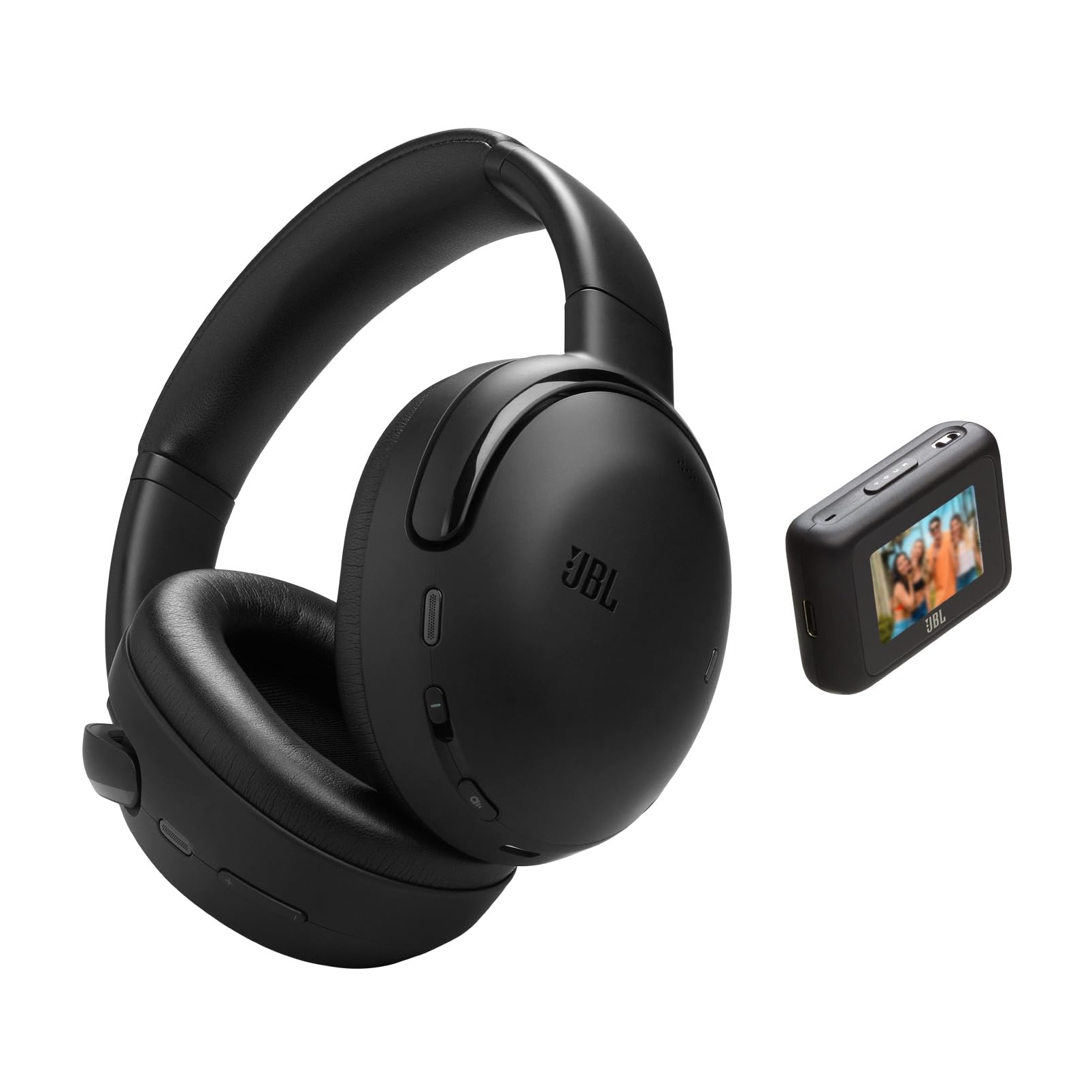
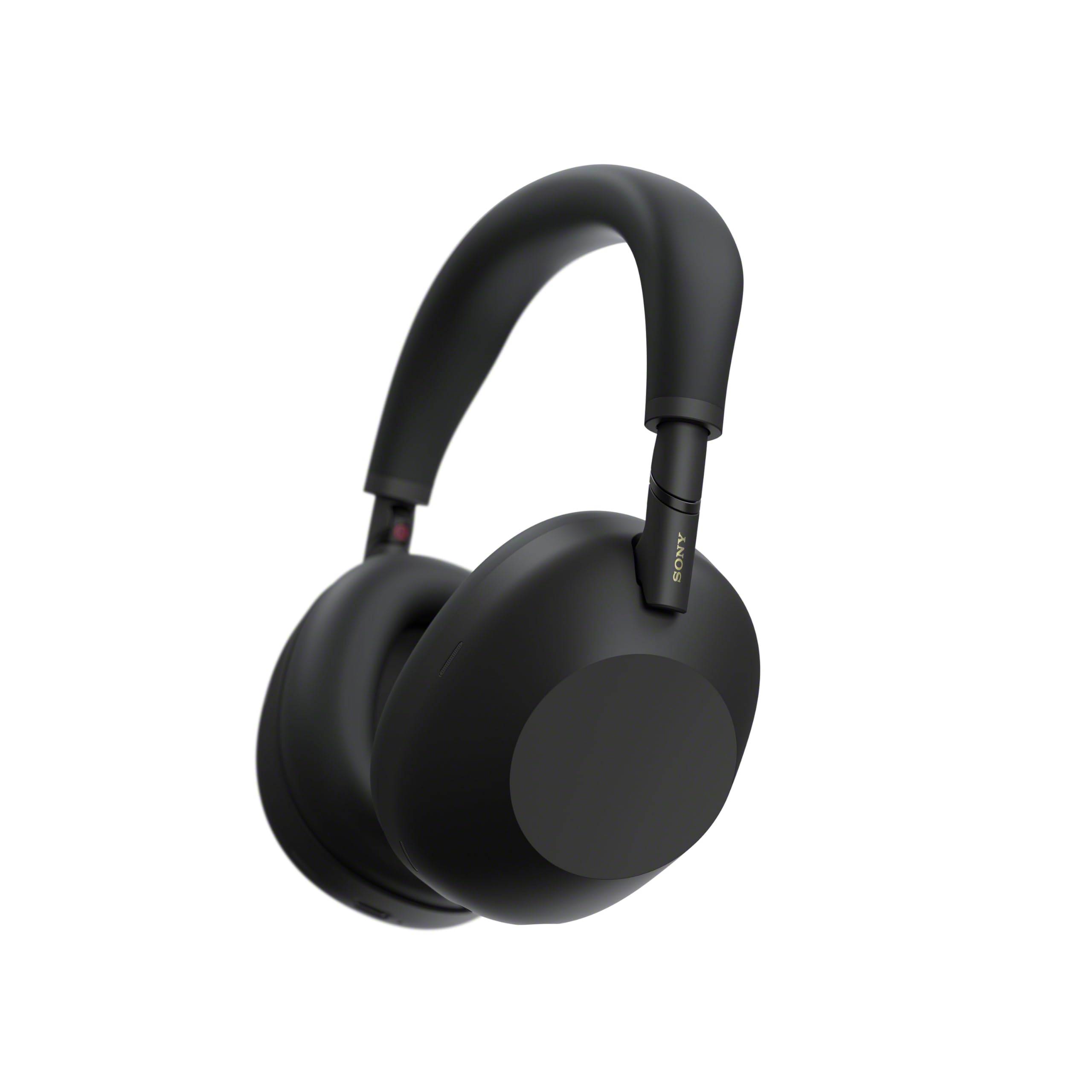
Decision snapshot
Start with the fit, not the spreadsheet.
JBL
JBL Tour One M3
Best fit: Smart Tx work-and-travel flexibility
Biggest reason: Over-ear format aligned to its primary shopper role
Main compromise: Heavier design: 278 versus 254.
Last checked price
$449.95 AUD
Not enough price history yet
Sony
Sony WH-1000XM6
Best fit: Lighter premium travel workflow
Biggest reason: Over-ear format aligned to its primary shopper role
Main compromise: Less compelling if smart Tx work-and-travel flexibility is the priority.
Last checked price
$579.95 AUD
17% below previous check · more history needed
Key differences
Where the products actually separate.
Only shared, verified fields with different values are promoted here.
278
254
40 hr
30 hr
70 hr
40 hr
2 hr
3.5 hr
JBL Smart Tx supports AUX/USB-C source transmission
3.5 mm stereo mini jack; passive operation supported


Decision reasoning
Why the choice changes.
What you'll actually notice
JBL Tour One M3 and Sony WH-1000XM6 are both neutral-platform over-ear ANC headphones, but they solve travel in different ways.
JBL is the more feature-heavy work/travel system: 40 hours with ANC on, 70 hours with ANC off, a 2-hour charge and Smart Tx, which can relay AUX or USB-C sources wirelessly.
Sony is lighter at 254g versus JBL's 278g, offers 30 hours ANC-on, multipoint, LDAC/LC3 and passive 3.5mm operation.
The primary question is therefore whether JBL's transmitter and extra endurance solve recurring problems. If not, Sony's lighter, more conventional travel setup is easier to justify.
What changes the choice
Will Smart Tx actually replace an adapter or awkward source workflow?
JBL Smart Tx supports AUX and USB-C source transmission.
Sony's wired path is a 3.5mm stereo mini jack with passive operation.
What this means: JBL can bridge non-Bluetooth sources into a wireless listening workflow, which is useful on aircraft entertainment systems or devices where direct Bluetooth is inconvenient.
Sony is simpler when a normal passive cable is enough.
Switch when: choose JBL if Smart Tx removes a recurring adapter/source problem; choose Sony if you mostly use modern Bluetooth devices plus occasional passive 3.5mm.
How much extra ANC battery do you need?
JBL is rated for 40 hours with ANC on and 70 hours with ANC off.
Sony is rated for 30 hours with ANC on and 40 hours with ANC off.
What this means: JBL gives materially more published battery headroom in both directly comparable modes.
For frequent travel or long weeks between charges, that can be useful. For a buyer who already finds 30 ANC-on hours more than enough, it may not change the experience.
Switch when: choose JBL when longer charging intervals matter; choose Sony when 30 hours already clears your normal travel cycle.
Does lower weight matter enough to trade away JBL's extra hardware?
Sony is 254g; JBL is 278g.
What this means: Sony is 24g lighter on the published figures.
That can matter for carry and long wearing sessions, but it still does not prove comfort. JBL's extra hardware is also doing a specific job through Smart Tx.
Switch when: choose Sony when lower mass matters more than the transmitter; choose JBL when you accept the extra weight because the transmitter and battery solve real needs.
Which wireless-source features fit your devices?
Sony supports SBC, AAC, LDAC and LC3 in the information we checked.
JBL's key source differentiator is Smart Tx rather than a LDAC claim.
What this means: Sony is the clearer route for buyers who explicitly want LDAC from compatible Bluetooth sources. JBL is the clearer route for buyers who need to bring awkward AUX/USB-C sources into a wireless workflow.
Switch when: choose based on the source devices you actually own rather than treating codec labels or transmitter features as generic quality indicators.
Does charge time matter?
JBL's full charge is 2 hours; Sony's is 3.5 hours.
What this means: JBL returns to full battery faster on the current exact specifications.
Given JBL's larger battery figures, that is a useful ownership detail rather than just a specification win.
Switch when: this matters if you often deplete the headphones and need to recover quickly. If you charge predictably overnight, it should stay secondary.
The practical choice
Choose JBL Tour One M3 when Smart Tx, 40-hour ANC battery and faster full charging solve real work/travel problems. It has the clearer feature-rich case when you use awkward wired sources or go long stretches between charging.
Choose Sony WH-1000XM6 when you want the lighter 254g premium travel route, passive 3.5mm fallback and LDAC/LC3 support without carrying transmitter capability you may not use.
The correct choice changes with source workflow, not with a generic claim that one brand has better ANC, sound or comfort.
When to choose JBL Tour One M3
- Smart Tx would replace a recurring AUX/USB-C adapter or aircraft-audio problem.
- Forty-hour ANC-on battery is useful.
- A 2-hour full charge matters.
- You are comfortable with the 278g package.
When to choose Sony WH-1000XM6
- Lower 254g weight matters more.
- Passive 3.5mm fallback is sufficient.
- LDAC or LC3 compatibility is a specific source requirement.
- Thirty hours ANC-on already covers your travel routine.
Choose neither when
Choose neither when the real requirement is pocketability, secure sport fit or physically open awareness. Both are full-size sealed ANC headphones and will not solve those architecture-level needs.
PIQSY conclusion
Choose JBL when Smart Tx source flexibility and 40-hour ANC battery solve real travel/work problems; choose Sony when lower weight, passive 3.5mm fallback and LDAC matter more.
The transmitter is the clearest switch in the pair. If you would never use it, Sony's simpler travel proposition becomes much harder to dismiss.
Final choice
Choose the product that fits your setup.
JBL
JBL Tour One M3
Choose when: Smart Tx work-and-travel flexibility
Last checked price
$449.95 AUD
Not enough price history yet
Prices and availability can change.
Sony
Sony WH-1000XM6
Choose when: Lighter premium travel workflow
Last checked price
$579.95 AUD
17% below previous check · more history needed
Prices and availability can change.
Full facts
Open the specification matrix.
Full facts
Open the specification matrix.
Unverified
Unverified
Unverified
Unverified
Unverified
Unverified
OVER_EAR
OVER_EAR
NEUTRAL
NEUTRAL
Yes
Yes
No
No
No
No
278
254
40 hr
30 hr
70 hr
40 hr
2 hr
3.5 hr
5.3
5.3
Yes
Unverified
JBL Smart Tx supports AUX/USB-C source transmission
3.5 mm stereo mini jack; passive operation supported
Unverified
SBC,AAC,LDAC,LC3
Unverified
Yes
Unverified
Yes
Keep comparing
Related comparisons worth checking.
Apple AirPods Max 2 vs Sony WH-1000XM6
Should Apple ecosystem fit decide your premium over-ear choice, or do you want a neutral multi-device travel route?
Sony WH-1000XM6 vs Bose QuietComfort Ultra Headphones (2nd Gen)
Should you choose Sony WH-1000XM6 or Bose QuietComfort Ultra Headphones (2nd Gen) when both satisfy the same premium over-ear ANC travel brief?
Sony WH-1000XM6 vs Sennheiser MOMENTUM 5 Wireless
Is your over-ear priority travel convenience or a music-first listening role?
Still not clear?
Let your own priorities break the tie.
How we checked this
See the Australian models and sources PIQSY checked for this page.
How we checked this
See the Australian models and sources PIQSY checked for this page.
How we checked this
How PIQSY checked this page
We checked the Australian model and dated manufacturer or retailer sources rather than borrowing specifications from an overseas variant.
Australian model checked
2 Australian models checked
Sources used
Manufacturer · Amazon AU
Sources checked through 25 Sept 2026
Last checked
27 Sept 2026
Current price and availability are checked separately where shown.
Hands-on testing: PIQSY has not physically tested this product for this page unless hands-on testing is explicitly disclosed.
What we could and couldn’t verify: If specifications conflict, cannot be matched to the Australian variant or cannot be confirmed, we leave them unresolved rather than guessing. Owner feedback is shown only when we can attribute it to the product we checked.
See models and source details
- JBL Tour One M3: JBL Tour One M3
- Sony WH-1000XM6: WH-1000XM6
Sources used
- Manufacturer · jbl.com.au · JBL Tour One M3 · checked 25 Sept 2026
- Amazon AU · amazon.com.au · JBL Tour One M3 · checked 18 Sept 2026
- Manufacturer · sony.com.au · Sony WH-1000XM6 · checked 25 Sept 2026
- Amazon AU · amazon.com.au · Sony WH-1000XM6 · checked 18 Sept 2026