
PIQSY Compare
Midea 4.0kW Portable Air Conditioner vs Kogan SmarterHome 4.1kW Inverter Portable Air Conditioner
Compare Midea MPPD40C and Kogan KASIPAC14YA on 4.0 vs 4.1kW cooling, i-Sense, inverter control, smart features, weight, venting and owner feedback.
The choice that matters
Choose Midea for comfort measured near you.
Choose Kogan for inverter cooling and smart control.
Decision snapshot
Start with how you’ll use it.
Midea
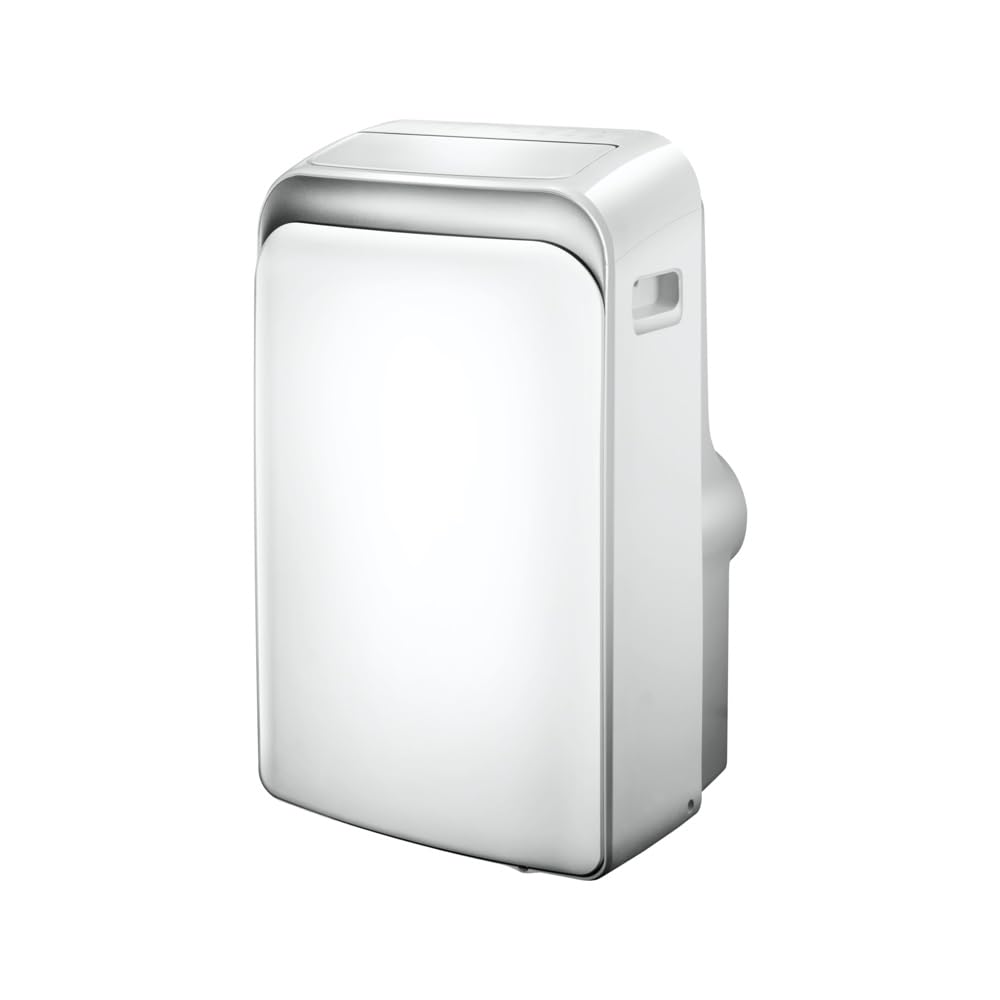
Midea 4.0kW Portable Air Conditioner
Best fit: 4.0kW cooling + i-Sense remote temperature sensing
Biggest reason: 4.0kW cooling capacity
Main compromise: No heating
Last checked price
$879 AUD
About 11% above recent prices
Lowest recorded $699.00 · 29 Aug
Kogan
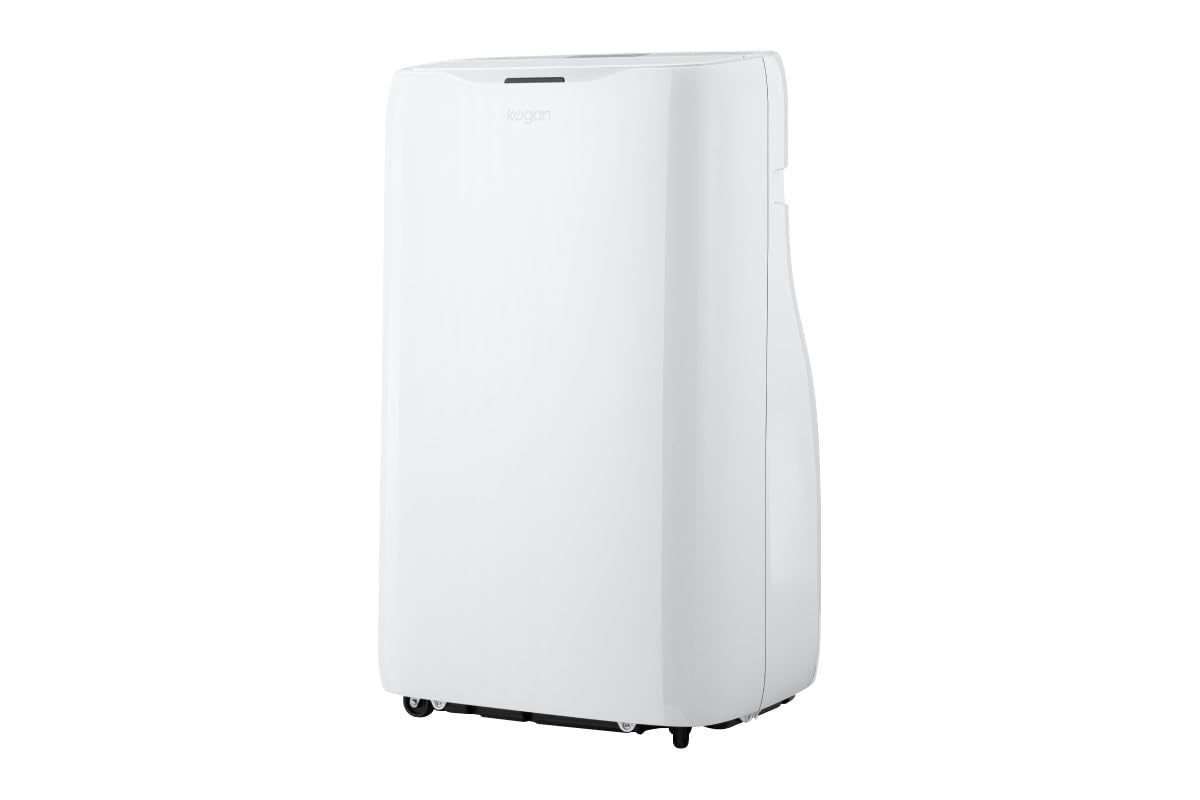
Kogan SmarterHome 4.1kW Inverter Portable Air Conditioner
Best fit: 4.1kW inverter cooling + built-in smart control
Biggest reason: 4.1kW cooling capacity
Main compromise: One-year warranty
Key metrics
The measurable differences worth seeing side by side.
Bar length shows relative stated magnitude only. It is not a quality score or PIQSY rating.
Cooling capacity
4 kW
4.1 kW
Weight
34 kg
31 kg
Key differences
The key differences at a glance.
These confirmed specifications differ. The advice below explains which ones matter for your needs.
4.0kW cooling; manufacturer guidance 17-35m²
4.1kW cooling / 14,000 BTU; manufacturer guidance 28-33m²
46.7 × 39.7 × 76.5 cm
45 × 40 × 80 cm
4 kW
4.1 kW
17
28
35
33
2,000
1,757


What matters when choosing
What you'll actually notice
Midea MPPD40C and Kogan KASIPAC14YA are both high-capacity cooling-only portable air conditioners. Their headline capacities are almost identical: 4.0kW for Midea and 4.1kW / 14,000 BTU for Kogan.
The important difference is how they deliver and control that cooling. Midea is fixed-speed and adds i-Sense / Follow Me remote temperature sensing. Kogan uses an inverter compressor and includes built-in SmarterHome, Alexa and Google Assistant support.
That makes Midea the remote-sensing choice and Kogan the inverter/smart-home choice. Neither is the answer if you need reverse-cycle heating, and neither should be selected until the room's outdoor exhaust route is workable.
What changes the choice
The 0.1kW capacity gap is secondary
Midea's 4.0kW and Kogan's 4.1kW ratings sit in effectively the same high-capacity class for comparison purposes. A 0.1kW difference should not decide the purchase by itself.
Midea publishes 17–35m² guidance; Kogan publishes 28–33m². Those are manufacturer ranges, not a common side-by-side sizing test. Use actual heat load and the 4.0/4.1kW ratings as the more durable inputs.
Midea solves sensor-location problems
Midea's i-Sense / Follow Me allows the remote to become the temperature reference near the occupied zone. That can help when the appliance must sit beside a warm window while the sofa, desk or bed is elsewhere.
Kogan does not have an equivalent verified Follow Me function. Its connected controls let you operate the appliance remotely, but that is a different feature from moving the temperature reference.
Kogan has the inverter and built-in connectivity advantages
Kogan uses an inverter compressor; Midea is fixed-speed. That architectural difference is meaningful for shoppers who specifically want compressor modulation, although it does not justify a universal energy-saving percentage.
Kogan also includes built-in SmarterHome support with Alexa and Google Assistant. Midea's Wi-Fi is optional rather than standard in the Australian specification.
Weight, electrical input and moisture specs add context
Midea weighs 34kg and Kogan 31kg. The 3kg gap favours Kogan slightly, but both are heavy floor appliances rather than easy carry-around units.
Midea publishes 2,000W rated cooling input. Kogan's current Australian sell-state page lists 1,757W cooling input. Do not turn those figures into a universal efficiency ranking; compressor architecture, capacity, conditions and duty cycle all matter.
Kogan also publishes 3.5L/h dehumidification and 480m³/h airflow. Midea has dehumidification mode, but the current exact comparison record does not provide a directly comparable L/h figure, so none should be invented.
What this means: the durable split is Midea's remote temperature sensing versus Kogan's inverter compressor and built-in connected control.
Switch when: move to Kogan when inverter operation or standard app/voice control becomes a priority. Move to Midea when Follow Me sensing matters more and fixed-speed operation is acceptable.
The practical choice
Start by checking whether either 4kW-class unit is appropriate for the room. More capacity is not automatically safer if the room does not need it, and neither unit can compensate for a poor exhaust arrangement.
Once the capacity tier makes sense, choose the control philosophy you will actually use. Midea's i-Sense is useful when the occupied zone and appliance location experience different temperatures. Kogan's app/voice control is useful when remote operation and home automation are part of the routine.
Kogan currently has a deeper version checked owner-feedback set than Midea, with 17 analysed signals versus a smaller exact Midea set. That adds ownership context after fit is established; it does not make Kogan's technical architecture universally preferable.
When to choose Midea MPPD40C
Choose Midea when 4.0kW cooling fits the load and i-Sense / Follow Me is the feature that changes comfort in the room.
It makes sense when you want the remote to measure temperature near the occupied area and you do not need a verified built-in smart-home stack.
Accept the trade-offs: Midea is fixed-speed, Wi-Fi is optional, the unit weighs 34kg, and it remains cooling-only.
When to choose Kogan KASIPAC14YA
Choose Kogan when 4.1kW cooling fits the load, inverter compressor control is a priority and you want built-in SmarterHome, Alexa or Google Assistant support.
The 31kg weight is slightly easier to manage than Midea's 34kg, and Kogan provides more explicit dehumidification and airflow specifications.
Accept the trade-offs: the base warranty is one year, it has no verified Follow Me temperature-sensing equivalent, and it is still a heavy cooling-only portable AC.
Choose neither when
Choose neither if you need reverse-cycle heating. The Midea MPPD33H and Hyundai HY13KSPACPA are the reverse-cycle options in the current shortlist.
Choose neither when the room cannot support a practical outdoor exhaust route. Inverter control does not make refrigerated cooling work without heat rejection outside.
Also widen the shortlist if a 4kW-class appliance is unnecessary for the room and a smaller unit would better fit the space, weight and ownership routine.
PIQSY conclusion
Midea MPPD40C is the i-Sense choice; Kogan KASIPAC14YA is the inverter smart-home choice.
Choose Midea when remote-location temperature sensing matters more than compressor modulation or built-in app/voice control. Choose Kogan when inverter operation and the connected-control stack are the features you will actually use.
The 0.1kW capacity difference should not decide the purchase. Confirm room load and venting first, then compare current delivered price and availability.
Final choice
Choose the one that fits your needs.
Midea
Midea 4.0kW Portable Air Conditioner
Choose when: 4.0kW cooling + i-Sense remote temperature sensing
Last checked price
$879 AUD
About 11% above recent prices
Lowest recorded $699.00 · 29 Aug
Kogan
Kogan SmarterHome 4.1kW Inverter Portable Air Conditioner
Choose when: 4.1kW inverter cooling + built-in smart control
Specifications
Compare the full specifications.
Specifications
Compare the full specifications.
4.0kW cooling; manufacturer guidance 17-35m²
4.1kW cooling / 14,000 BTU; manufacturer guidance 28-33m²
46.7 × 39.7 × 76.5 cm
45 × 40 × 80 cm
Unverified
1 year
4 kW
4.1 kW
17
28
35
33
2,000
1,757
No
Yes
No
No
No
Yes
Yes
Unverified
No
Yes
Yes
Unverified
R290
R290
34 kg
31 kg
Unverified
14,000
Unverified
3
Unverified
480 m³/h
Unverified
3.5
Unverified
64 dB(A)
Unverified
UNSPECIFIED
Still not clear?
Let your own priorities break the tie.
How we checked this
See the Australian models and sources PIQSY checked for this page.
How we checked this
See the Australian models and sources PIQSY checked for this page.
How we checked this
How PIQSY checked this page
We checked the Australian model and dated manufacturer or retailer sources rather than borrowing specifications from an overseas variant.
Australian model checked
2 Australian models checked
Sources used
Manufacturer · Amazon AU
Sources checked through 23 Aug 2026
Last checked
26 Aug 2026
Current price and availability are checked separately where shown.
Hands-on testing: PIQSY has not physically tested this product for this page unless hands-on testing is explicitly disclosed.
What we could and couldn’t verify: If specifications conflict, cannot be matched to the Australian variant or cannot be confirmed, we leave them unresolved rather than guessing. Owner feedback is shown only when we can attribute it to the product we checked.
See models and source details
- Midea MPPD40C 4.0kW Portable Air Conditioner: MPPD40C
- Kogan SmarterHome 4.1kW Inverter Portable Air Conditioner KASIPAC14YA: KASIPAC14YA
Sources used
- Manufacturer · midea.com · Midea MPPD40C 4.0kW Portable Air Conditioner · checked 23 Aug 2026
- Manufacturer · midea.com · Midea MPPD40C 4.0kW Portable Air Conditioner · checked 23 Aug 2026
- Amazon AU · amazon.com.au · Midea MPPD40C 4.0kW Portable Air Conditioner · checked 23 Aug 2026
- Manufacturer · kogan.com · Kogan SmarterHome 4.1kW Inverter Portable Air Conditioner KASIPAC14YA · checked 23 Aug 2026
- Manufacturer · assets.kogan.com · Kogan SmarterHome 4.1kW Inverter Portable Air Conditioner KASIPAC14YA · checked 23 Aug 2026
- Amazon AU · amazon.com.au · Kogan SmarterHome 4.1kW Inverter Portable Air Conditioner KASIPAC14YA · checked 23 Aug 2026